How Moab Became an Outdoor Recreation Hub
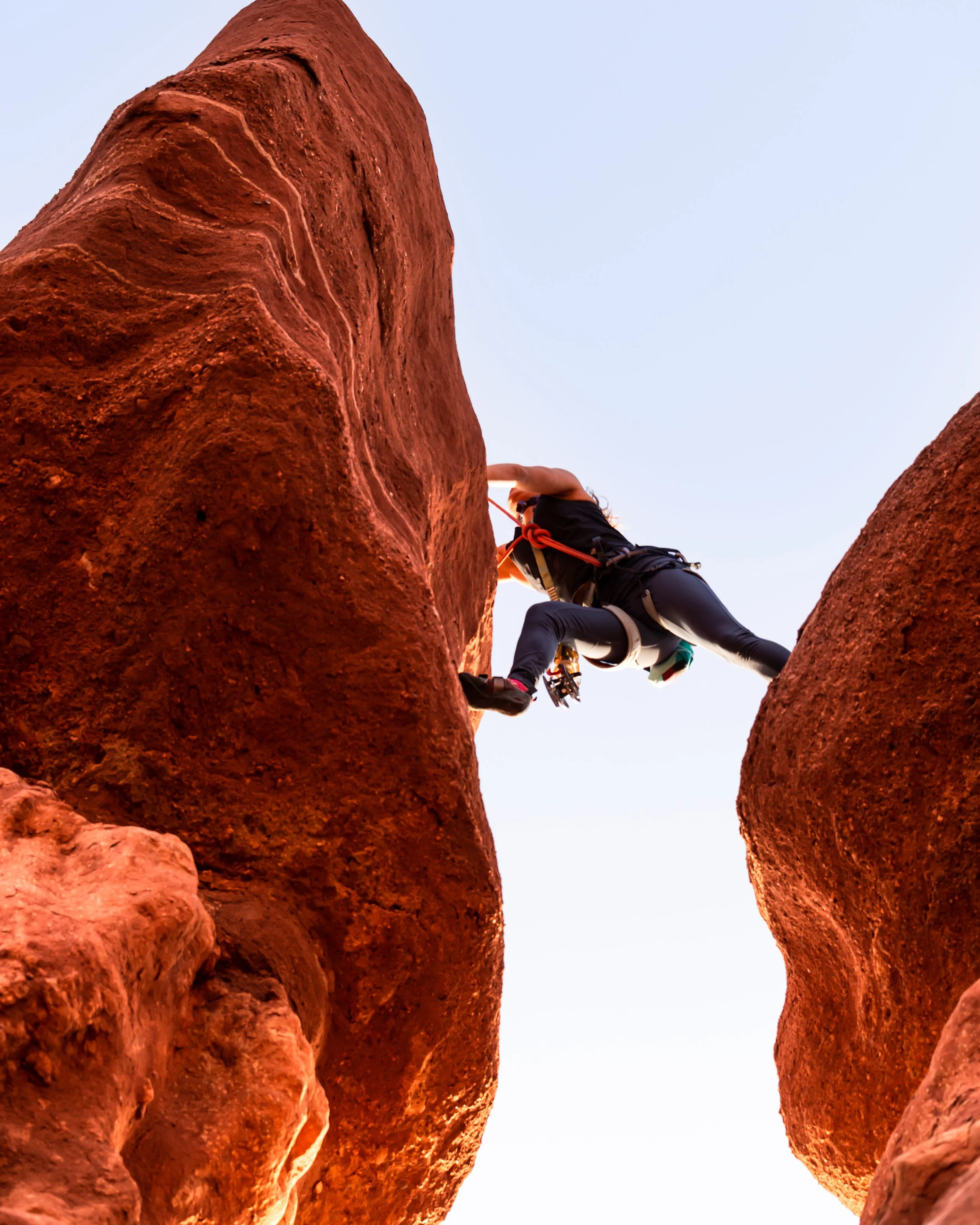
Moab didn’t set out to become one of the world’s most famous adventure destinations — it just happened to sit in the middle of some of the most extraordinary terrain on Earth. Today, people travel from across the globe to hike, bike, climb, raft, and explore here. But how did a quiet desert town turn into an outdoor recreation powerhouse? The story is as fascinating as the landscape itself.
It Started With the Land
Long before tourism, the region was valued for agriculture and mining. Early settlers saw the desert as something to endure, not something to play in. What they didn’t yet realize was that the surrounding red rock formations, canyons, and slickrock expanses were unlike anything else in the world — a natural playground waiting to be discovered.
Off-Roaders Were Among the First Adventurers
In the mid-1900s, four-wheel-drive enthusiasts began exploring the rugged terrain around Moab. Trails that had once served ranching or mining purposes became legendary routes for thrill-seekers. Word spread quickly: this was one of the most challenging and beautiful off-road destinations in the country.
Mountain Biking Changed Everything
When cyclists discovered Moab’s slickrock in the 1980s, the town’s reputation exploded. The now-famous Slickrock Bike Trail offered something riders couldn’t find anywhere else — a rollercoaster-like surface of sandstone that felt both surreal and addictive. Moab quickly became a pilgrimage site for mountain bikers worldwide.
National Parks Put Moab on the Global Map
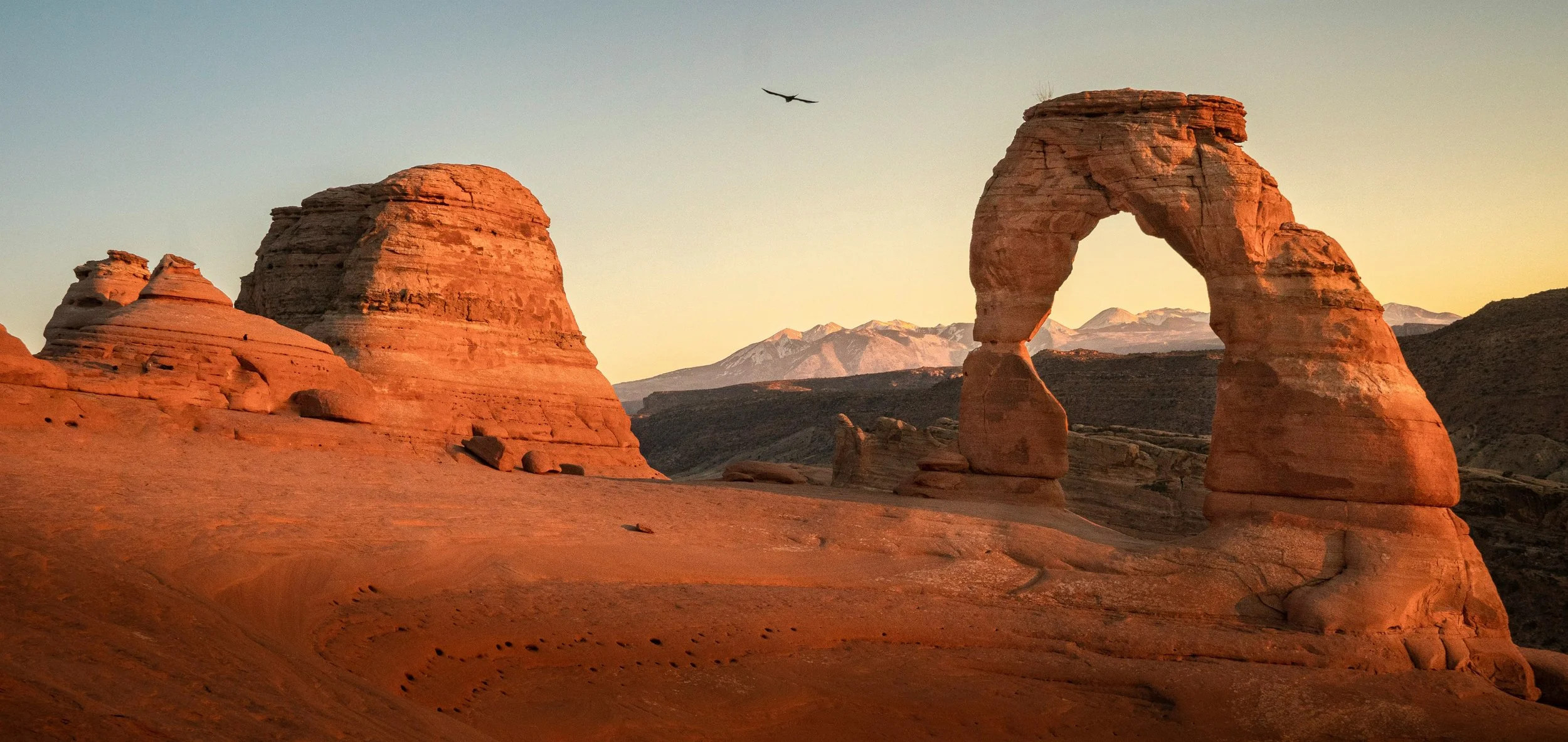
Arches and Canyonlands National Parks brought international attention. Iconic landmarks like Delicate Arch appeared in guidebooks, documentaries, and travel magazines, drawing visitors who might never have considered Utah before.
Adventure Tourism Created a New Economy
Guiding services, gear shops, campgrounds, and hotels grew to support the influx of visitors. What had once been a small rural community transformed into a destination built around exploration and outdoor experience.
Not Everyone Comes for Extreme Adventure
Despite its adrenaline-fueled reputation, Moab attracts a wide range of travelers. Families, photographers, couples, and casual sightseers come for the scenery alone. Many people spend their days exploring at a comfortable pace rather than pushing physical limits.
The Rise of “Recovery Activities”
With so much activity during the day, visitors naturally look for ways to unwind in the late afternoon and evening. This shift has shaped Moab’s hospitality scene — creating demand for experiences that are relaxing, scenic, and social rather than strenuous.
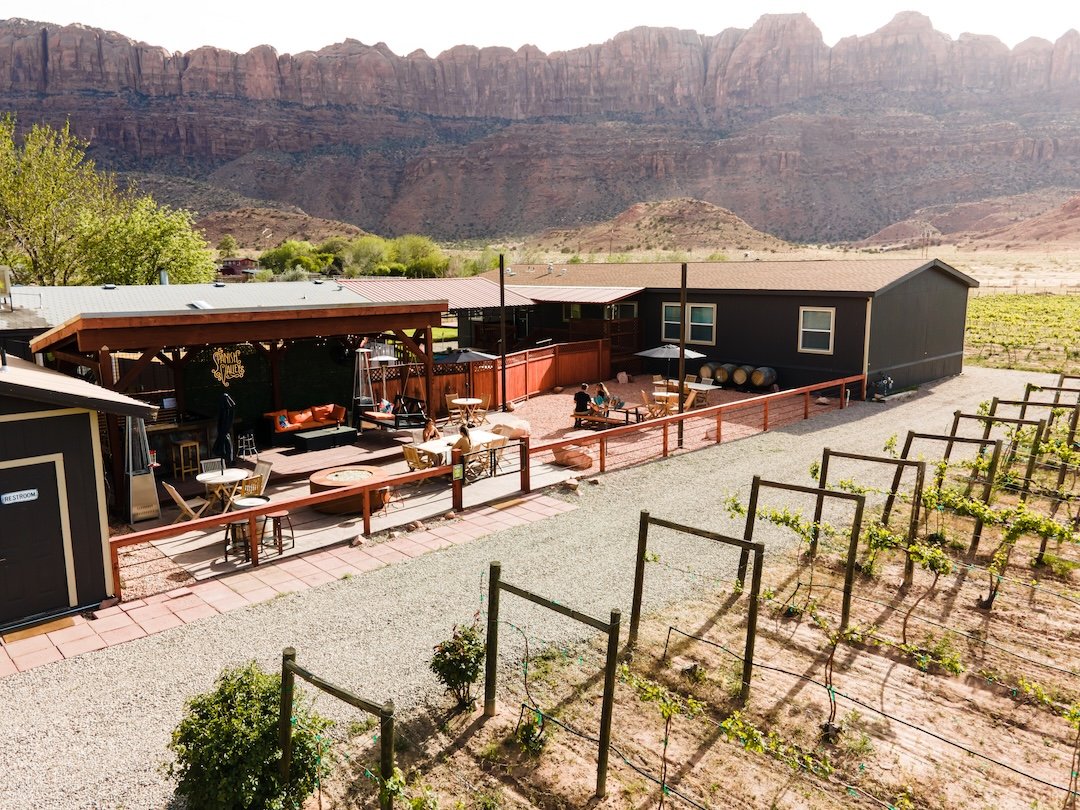
That’s where places like Moab Winery play an important role. After hours in the sun, dust, and elevation, sitting down with a glass of locally crafted wine feels less like indulgence and more like restoration. Afternoon Tastings (Wednesday through Monday, 2–7 PM) are perfectly timed for that transition from adventure mode to relaxation mode.
A Different Way to Experience the Landscape
You don’t have to be climbing a cliff to connect with the desert. Watching sunset over vineyard rows, feeling the temperature drop, and seeing the sky shift colors can be just as memorable as reaching a summit — without the exhaustion.
Moab Winery’s Vineyard Tours from 12–2 PM offer a deeper look at how agriculture and craftsmanship coexist with the surrounding wilderness, giving visitors a fuller picture of life in this unique region.
Adventure by Day, Atmosphere by Night
High-energy days balanced by calm, scenic evenings. Effort followed by reward. Movement followed by stillness.
For those who want to fully immerse themselves in that rhythm, staying overnight at one of Moab Winery’s on-site Airbnb’s provides a peaceful home base surrounded by the same landscape that made Moab famous in the first place. Events and live music add another dimension, turning quiet desert nights into memorable shared experiences.
Moab became an outdoor recreation hub because the land demanded exploration. But what keeps people coming back is how the town lets you slow down and savor it afterward. Plan your adventure, then plan your recovery.