Moab is one of those places that makes trail running feel less like a workout and more like an experience. The terrain is dynamic, the views are unreal, and every run feels a little different depending on the light, the weather, and the route you choose.
But Moab also demands a bit more from you — elevation, heat, and technical terrain can turn a casual run into a serious effort if you’re not prepared. Here’s how to do it right, from choosing the best trails to recovering in a way that actually makes the whole experience more enjoyable.
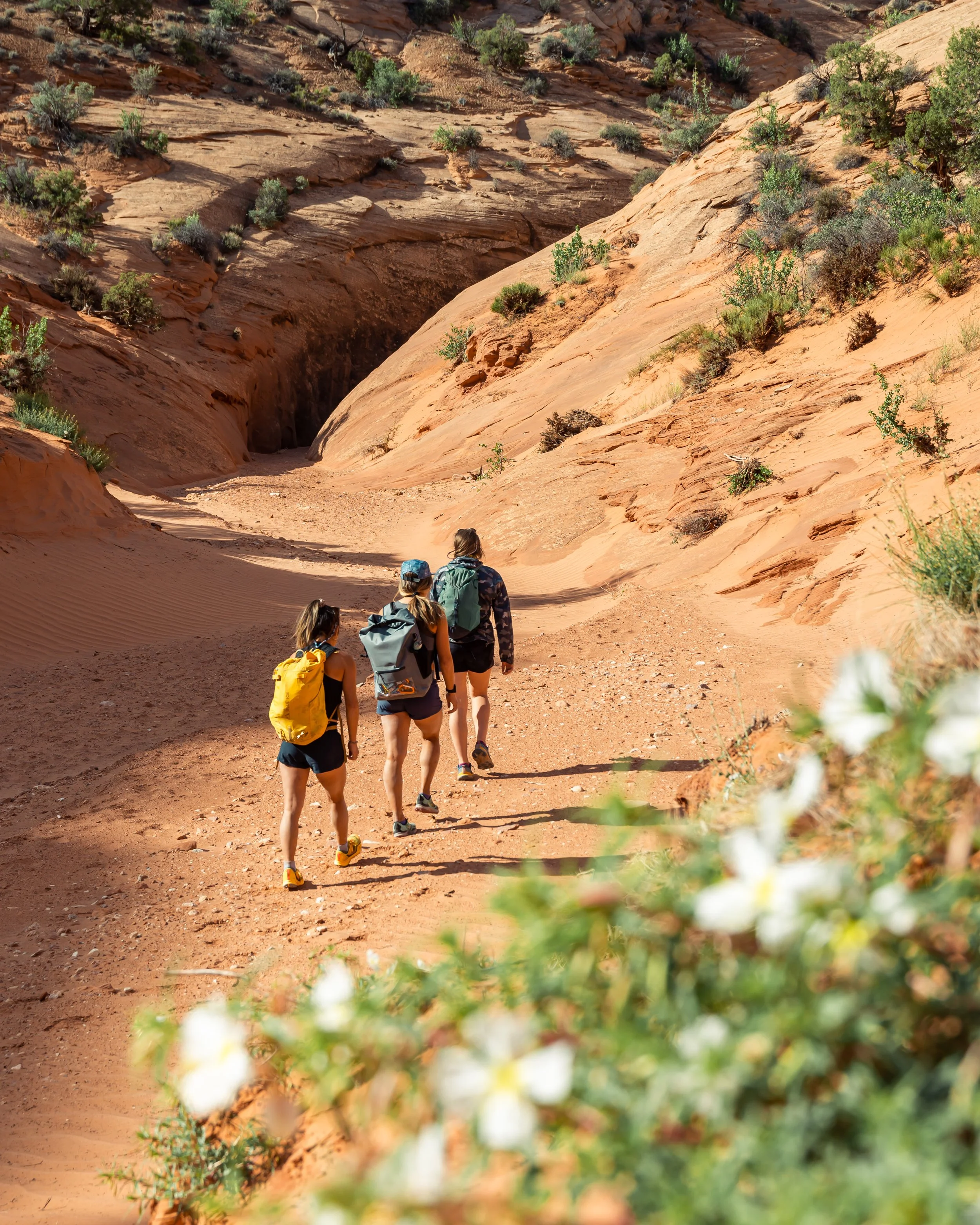
Best Trails for Trail Running in Moab
Moab offers a mix of smooth, runnable terrain and more technical routes. Choosing the right trail depends on your experience level and how hard you want to push.
Slickrock Trail (Moderate to Advanced)
This is Moab’s most iconic trail — and for good reason. Rolling sandstone creates a natural up-and-down rhythm that feels almost like a rollercoaster. It’s not the easiest run, but it’s one of the most memorable. Expect exposure, heat, and incredible views the entire way.Fisher Towers Trail (Moderate)
A great option if you want distance without overly technical footing. The scenery here is dramatic — towering rock formations and wide-open desert views. It’s a solid out-and-back that lets you control your mileage.Corona Arch Trail (Beginner to Moderate)
If you’re looking for something shorter and more approachable, this is a great choice. It’s scenic, relatively runnable, and ends at one of the most impressive arches in the area.Dead Horse Point Trails (All Levels)
If you want options, this is one of the best areas to run. You’ll find smoother singletrack, loop options, and less technical terrain compared to slickrock. Plus, the overlook views are some of the best in Moab.Mill Creek Trail (Beginner-Friendly)
Shaded sections, water access, and a more forgiving trail make this ideal if you want a lighter run or recovery day. It’s also a great option during hotter months.
How to Prepare for a Trail Run in Moab
Moab rewards preparation. A little planning goes a long way toward making your run enjoyable instead of exhausting.
Start Earlier Than You Think. Morning runs are key, especially in warmer months. Temperatures rise quickly, and what feels manageable at 8 AM can feel intense by 10 AM.
Hydrate Aggressively. The dry desert air will dehydrate you faster than expected. Bring more water than you normally would, and start hydrating before you even hit the trail.
Fuel Properly. Running on empty in Moab is a bad idea. Eat something light but substantial beforehand so you have energy without feeling weighed down.
Respect the Terrain. Slickrock and sand require more effort than standard trails. Pace yourself accordingly — this is not the place to chase a personal record unless you know the terrain well.
Wear the Right Shoes. Grip matters. Trails here can be uneven, rocky, and steep in sections. A solid trail shoe will make a big difference in both performance and safety.
Post-Run Recovery (Where Moab Really Shines)
This is where Moab separates itself from other trail running destinations. It’s not just about the run — it’s about how you recover afterward.
Hydrate First, Always. Before anything else, get water in. Your body needs it after running in dry, elevated conditions.
Eat Something Real. You burned more energy than you think. A proper meal helps your body recover and keeps you from crashing later.
Stretch and Slow Down. Even a few minutes of stretching can help reduce soreness and improve how you feel the next day.
Then — Transition Into Relaxation. This is the part most people don’t plan for — and it’s the part that makes the trip memorable.
After a run, your body is tired but your mind is clear. It’s the perfect time to shift into something slower, more intentional, and actually enjoyable.
Wine Tasting Is the Post-Run Activity
Learn about wine tasting in Moab
It might not sound obvious at first, but it makes complete sense once you experience it. You’re already outside. You’ve already earned it. And your body is naturally ready to slow down. Sitting down with a glass of wine after a run creates a clear transition: from effort to ease, from movement to stillness. It’s a way to actually feel the reward of what you just did.
Afternoon wine tastings at Spanish Valley Vineyard & Winery run from 2–7 PM, which lines up perfectly with a morning trail run. You get your miles in early, recover midday, then head into a relaxed, scenic environment to close out the day.
If you want a deeper experience, they offer private vineyard tours every Friday from 12–2 PM offer a behind-the-scenes look at how wine is grown and produced in the desert — a completely different kind of appreciation for the landscape you just ran through.
The Takeaway
Moab is an incredible place to run, but it’s even better when you pair it with the right kind of recovery. Choose the right trail, prepare well, and give yourself something to look forward to afterward. Plan your run, then plan your wind-down at Moab Winery, also known as, Spanish Valley Vineyard & Winery.