The Role of Vineyards in Moab’s Future
Moab has built its reputation on landscape and adventure — national parks, off-road trails, and outdoor experiences that draw people from all over the world. But as the city continues to grow, there’s a clear shift happening. Visitors are looking for more than just activity. They want experiences that feel balanced, intentional, and worth slowing down for.
This is where vineyards begin to play a much larger role.
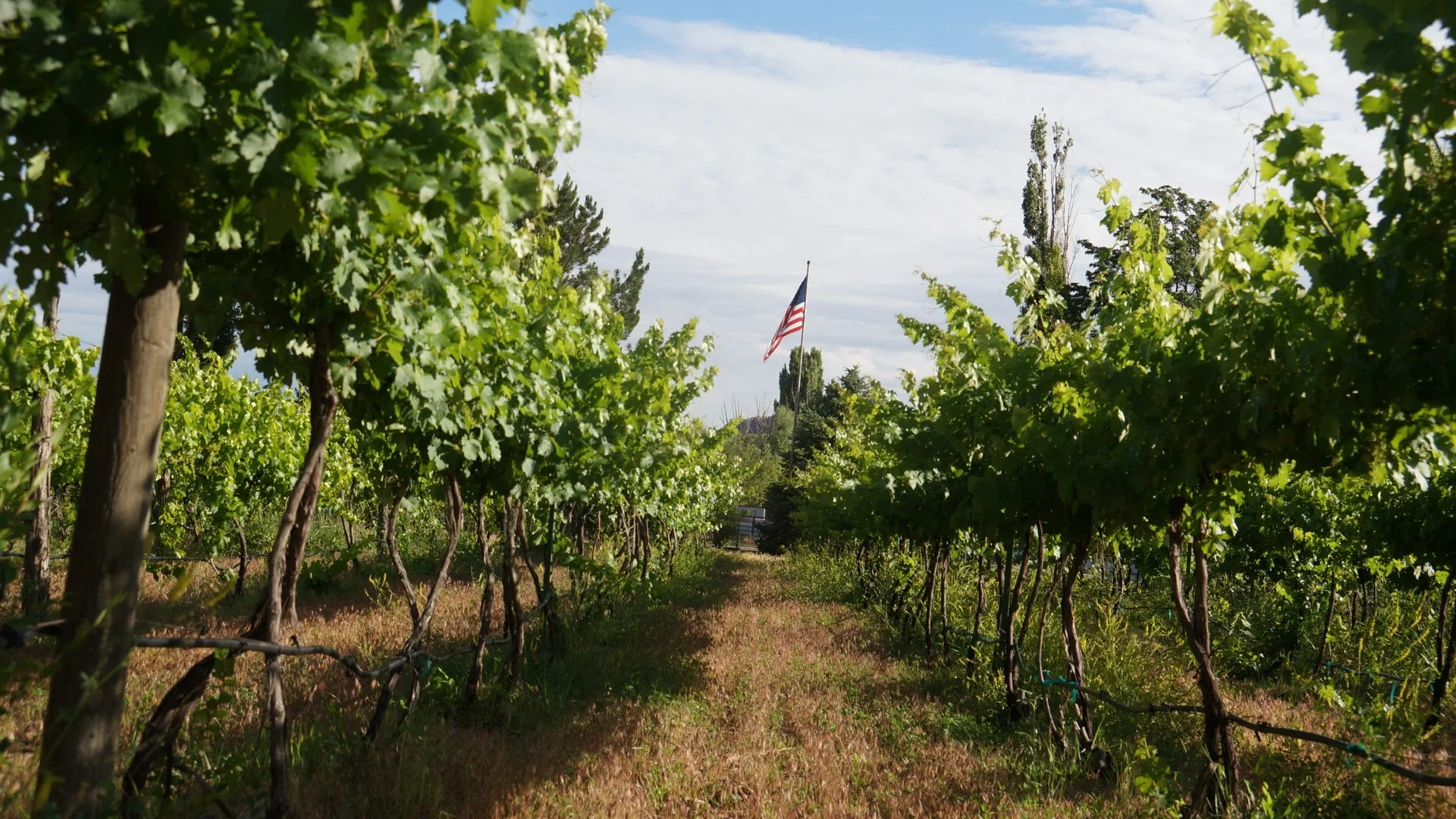
Expanding What Moab Offers
For years, Moab has been defined by movement, like hiking, biking, jeeping. Vineyards introduce something different: stillness. They give visitors a place to pause, sit, and engage with the environment in a more relaxed way. This creates a more complete experience — one that pairs high-energy adventure with moments of rest and connection.
Supporting a More Sustainable Tourism Model
As tourism increases, so does the need for experiences that are lower impact and more evenly distributed throughout the day. Vineyards naturally support this. Instead of concentrating crowds into a few high-traffic areas, they offer alternative destinations that encourage longer stays, slower pacing, and more thoughtful engagement with the region.
Elevating the Visitor Experience
The next phase of Moab’s growth isn’t just about attracting more people. Although that’s important, it’s about offering better experiences. Vineyards contribute to this by adding a layer of refinement. Wine tastings, guided tours, events, and on-site stays create a more elevated offering that appeals to couples, groups, and destination travelers looking for something beyond traditional outdoor recreation.
Creating a Year-Round Destination
Seasonality has always impacted Moab.
Vineyards help expand what’s possible across different times of year. Tastings, indoor-outdoor experiences, and events provide options even when outdoor conditions are less ideal, helping stabilize tourism and support local businesses year-round.
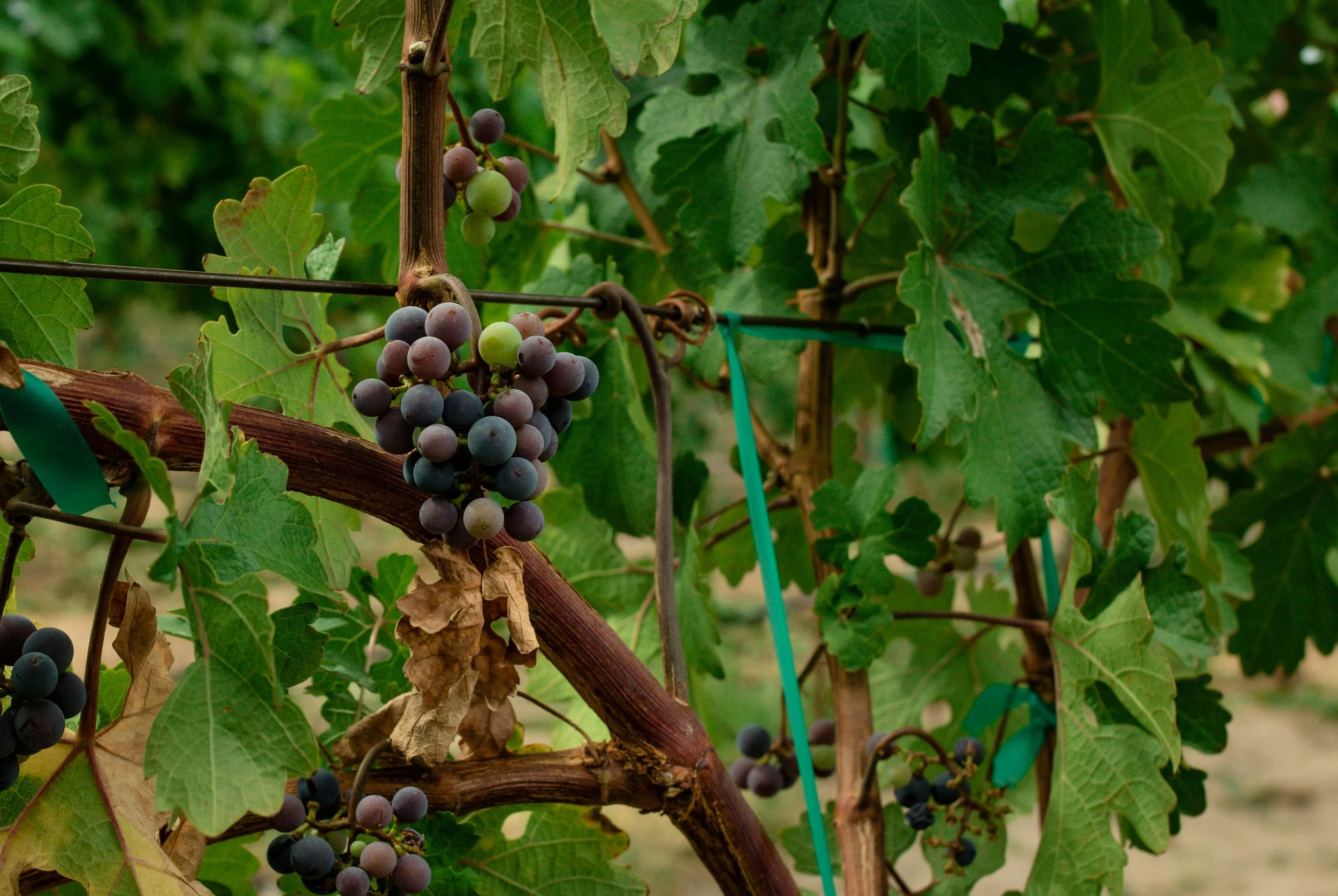
Strengthening Local Agriculture
Vineyards also reconnect Moab to its agricultural roots. Spanish Valley has a long history of farming, and modern vineyards represent a continuation of that legacy in a more specialized form. This creates opportunities for local production, education, and a deeper connection between visitors and the land.
Attracting a Broader Audience
As Moab evolves, so does its audience.
Vineyards appeal to travelers who may not come solely for high-intensity adventure — couples, wellness travelers, and those seeking more curated, experience-driven trips. This diversification strengthens Moab’s position as a destination.
Integrating with Weddings, Events, and Retreats
Vineyards naturally extend into other areas of growth — weddings, private events, and retreats. These experiences bring visitors for longer stays and create more meaningful engagement with the area. Instead of passing through, people gather, celebrate, and spend time here.
The Takeaway
Moab will always be known for its landscape and movement. That’s not changing. But the future of Moab is about balance. Adventure paired with experience. Movement paired with stillness. Vineyards like Spanish Valley Vineyard are part of that shift by offering a place where visitors can slow down, connect, and experience Moab in a more complete way.