The History of Moab: From Uranium Boom to Adventure Capital
Moab today is known for red rock views, national parks, and nonstop outdoor adventure but it didn’t start that way. The town you see now is the result of a dramatic shift in identity, shaped by geology, industry, and a surprising reinvention. Understanding that transformation gives you a deeper appreciation for why Moab feels the way it does today.
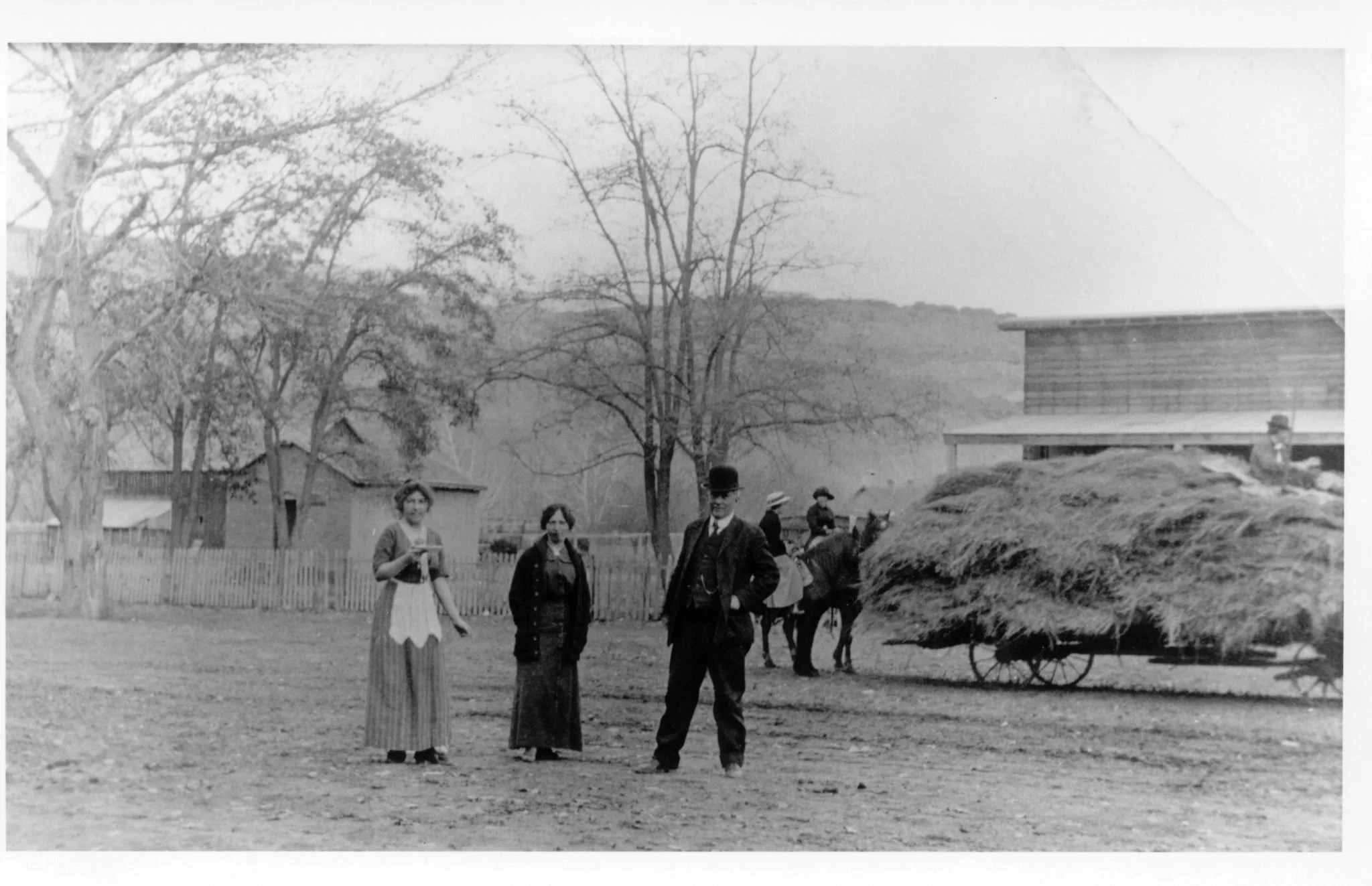
no date, Carol Hines Collection, Moab Museum Collection
Early Days: Survival in the Desert
Long before tourism, Moab was home to Indigenous peoples who understood how to live with the land as it was. Later settlers arrived in the 1800s, drawn by farming and ranching opportunities along the Colorado River. Life wasn’t easy. The desert was harsh, resources were limited, and the town remained small and relatively isolated for decades. At this point, Moab was a place people worked hard to sustain.
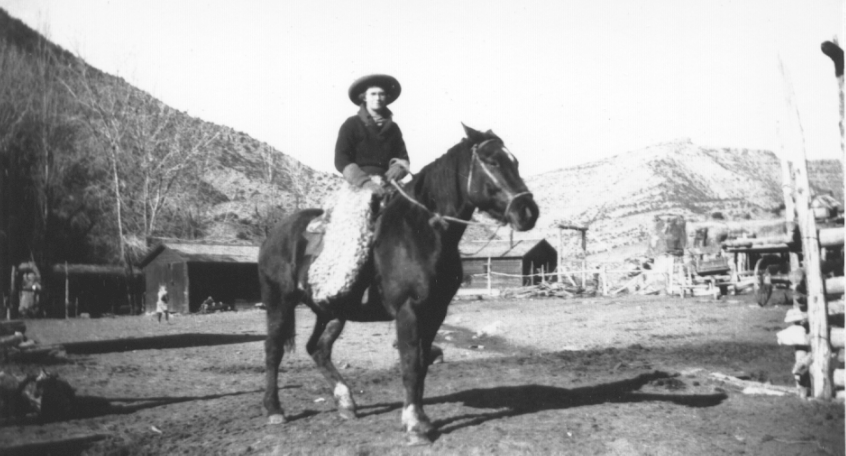
J. Willard Marriott Library Archives
The Uranium Boom: Moab’s First Big Transformation
Everything changed in the 1950s. When uranium was discovered in the surrounding area, Moab quickly became the center of a mining boom. The town earned the nickname “Uranium Capital of the World,” and almost overnight, its population and economy surged. Workers, investors, and families flooded into the area. New businesses opened. Infrastructure expanded. Moab was no longer quiet. It was thriving, fast-moving, and built around a single industry. For a time, it looked like this would define the town’s future.
The Bust: A Sudden Shift
But boomtowns are rarely permanent. By the 1960s and 70s, uranium demand declined, and the industry that had fueled Moab’s rapid growth began to disappear. Jobs vanished, and the town faced a major identity crisis. Moab had to either reinvent itself or fade out.
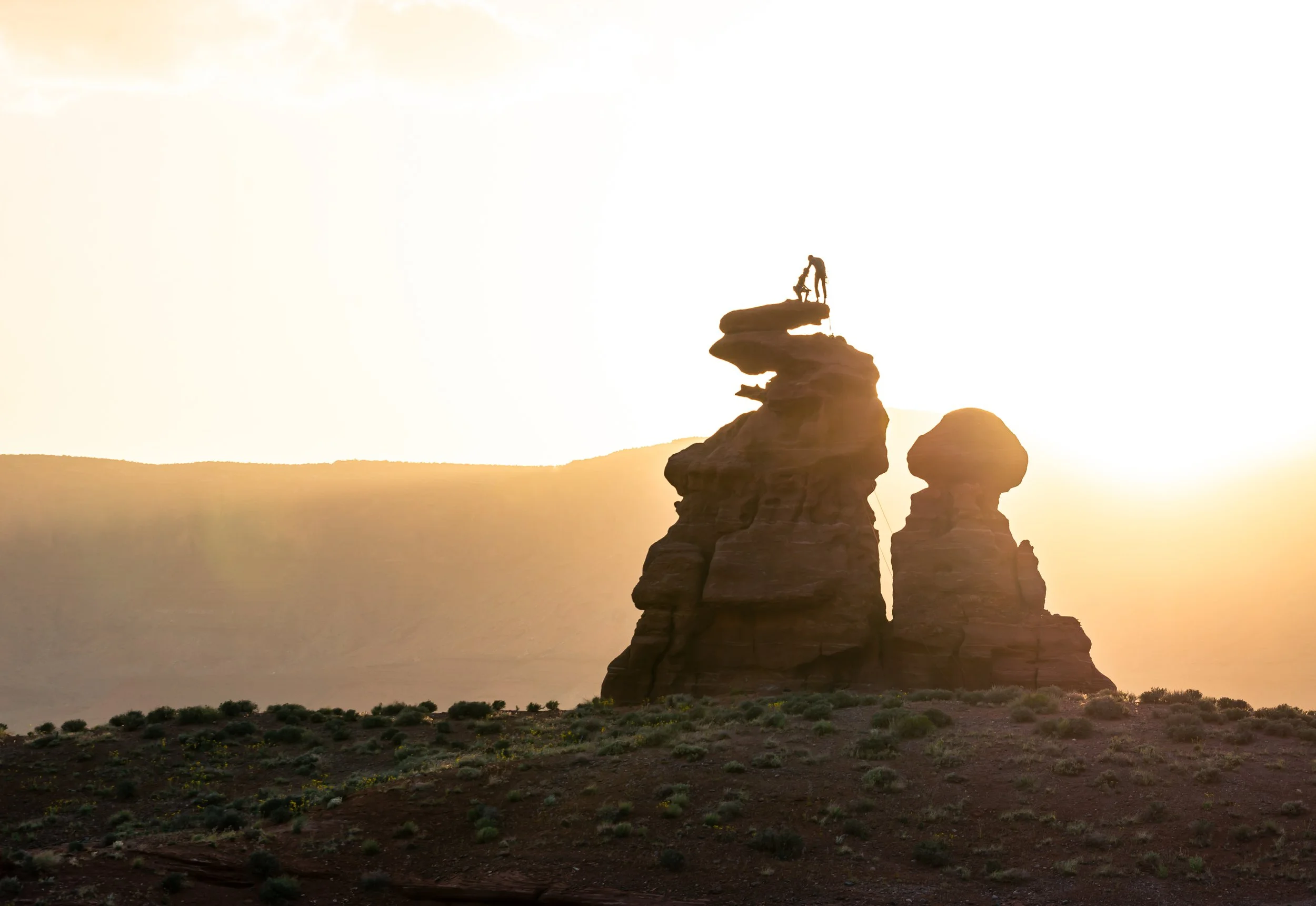
Discovery of Recreation: A New Identity Emerges
What saved Moab was something that had always been there. The same landscape that once supported mining operations began attracting a different kind of attention. Off-road enthusiasts started exploring the rugged terrain. Then mountain bikers discovered slickrock trails. Hikers, climbers, and photographers followed. What had once been seen as harsh and unforgiving was now recognized as extraordinary.
National Parks Put Moab on the Map
The presence of Arches and Canyonlands National Parks brought global visibility. Images of Delicate Arch and sweeping canyon views began appearing everywhere — travel magazines, guidebooks, and eventually social media. Moab was no longer a hidden town. It was becoming an international destination.
The Rise of Adventure Tourism
As more people arrived, businesses adapted. Guide services, gear shops, restaurants, and lodging grew to support the new wave of visitors. Moab transitioned from a resource-based economy to an experience-based one. Instead of extracting from the land, the town began inviting people to explore it.
A New Balance: Adventure and Lifestyle
Today, Moab is known for high-energy days — hiking, biking, off-roading, and exploring — but that’s only half the story. What keeps people coming back is the balance. After hours of movement, visitors look for ways to slow down, take in the scenery, and enjoy where they are without rushing. That shift has shaped the town’s modern experience.
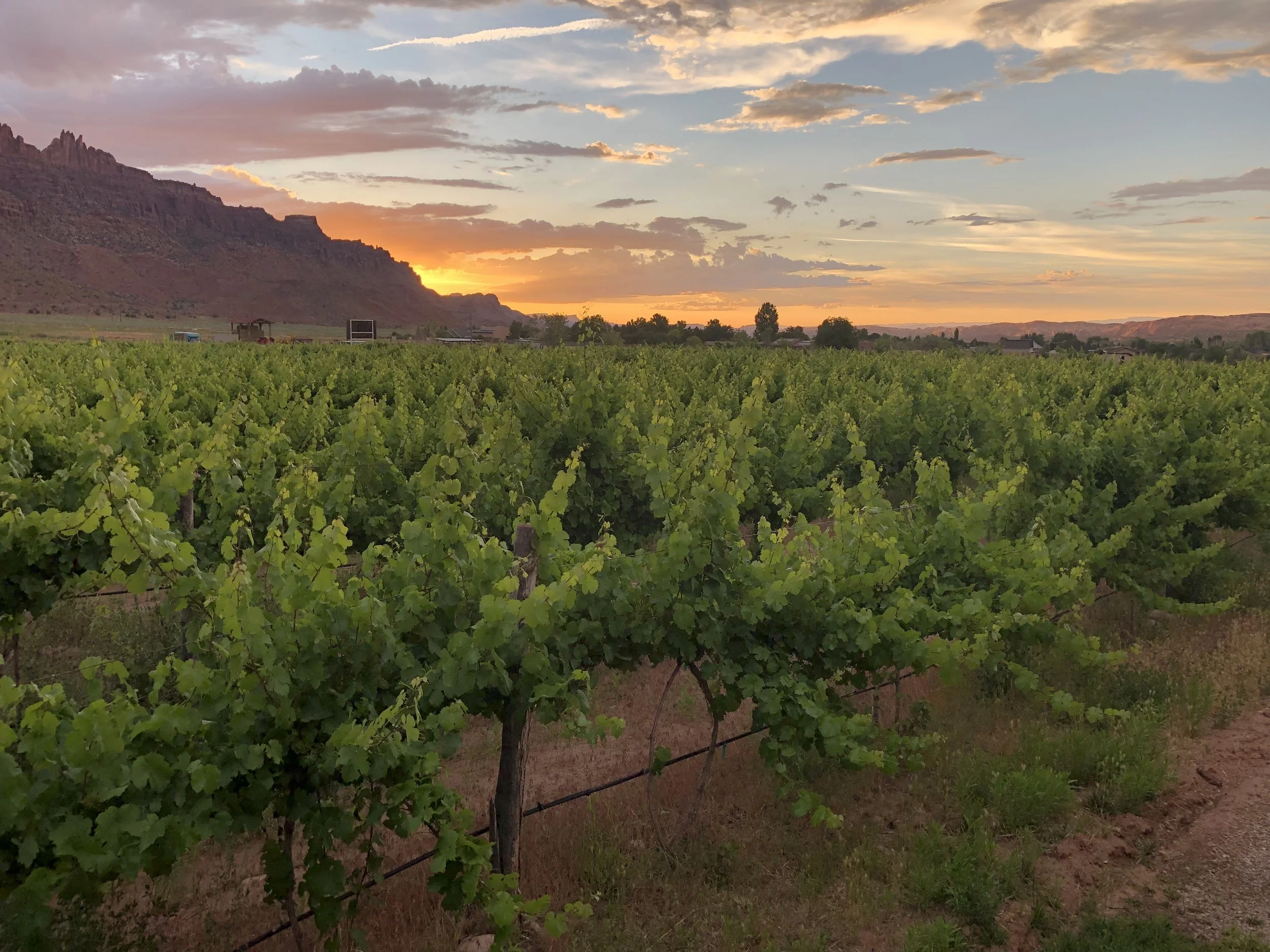
Spanish Valley Vineyard & Winery, Moab’s only winery
From Industry to Experience
Places like Moab Winery represent this evolution. Instead of mining resources from the land, there’s now a focus on cultivating and experiencing it. Growing grapes in a desert environment, creating wine, and inviting people to sit and enjoy it is a completely different relationship with the landscape but one that feels aligned with how Moab has transformed.
The Modern Moab Experience
Moab today is a place where you can push yourself physically during the day and completely unwind in the evening. You can climb a trail in the morning, then sit with a glass of wine in the afternoon. You can explore vast, rugged terrain and still end your day somewhere peaceful, social, and scenic.
Why the History Matters
When you understand Moab’s past, the present makes more sense.
This isn’t just a town built for tourists. It’s a place that adapted, evolved, and found a new identity by leaning into what made it unique all along.
Experience the New Version of Moab
If you’re visiting, take advantage of both sides of that story. Spend your day exploring the landscape that made Moab famous — then slow down and enjoy it. Plan an afternoon wine tasting at Moab Winery. Moab didn’t just become an adventure capital — it became a place where people come to experience the land in a completely new way.